
Biogeographic differences of Amazonian floodplain forests and their contribution to gamma diversity
O 6.4 in Tropics
01.05.2026, 11:45-12:00, FZA conference room
Amazonian floodplain forests along large-river floodplains consist of two distinct floras that are traced to their differentiated environments of either sediment- and nutrient-rich (várzea) or sediment- and nutrient-poor (igapó). While tree species in both ecosystems have adapted to seasonal floods that may last up 300 days per year, ecosystem fertility, hydro-geomorphic disturbance regimes, water shortage and drought, fire, and even microclimates are importantly distinct between both ecosystems and largely explain the differences in forest productivity, species life-history traits, and taxonomic composition and diversity. We show that várzeas and igapós have biogeographic connections to different Amazonian and extra-Amazonian ecosystems, and explore the major evolutionary force of large-river wetlands for Amazonian tree diversity, evidencing that floodplain specialist tree species significantly contribute to the gamma-diversity of the Amazon by generating new species. Finally, we call attention to the urgent need of an improved conservation of Amazonian large-river wetlands and their tree species.
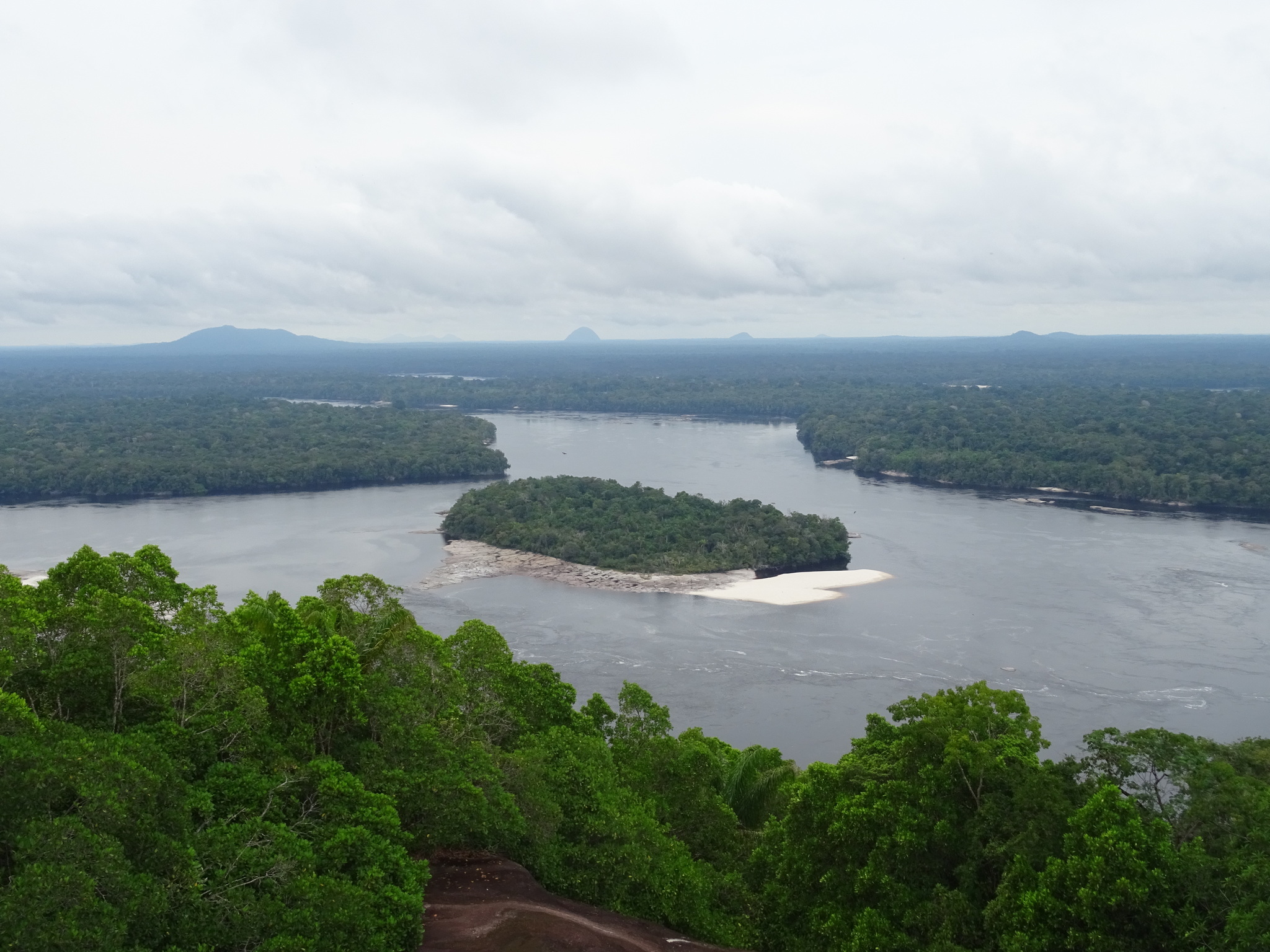
Floodplain forests of the upper Negro River, Brazil
Export as iCal:
